Edge AI: Ushering in a New Era of Decentralized Data Processing
Discover how the integration of Edge Computing and Artificial Intelligence is revolutionizing data latency and reshaping the future of real-time processing.
The Convergence of Edge and AI
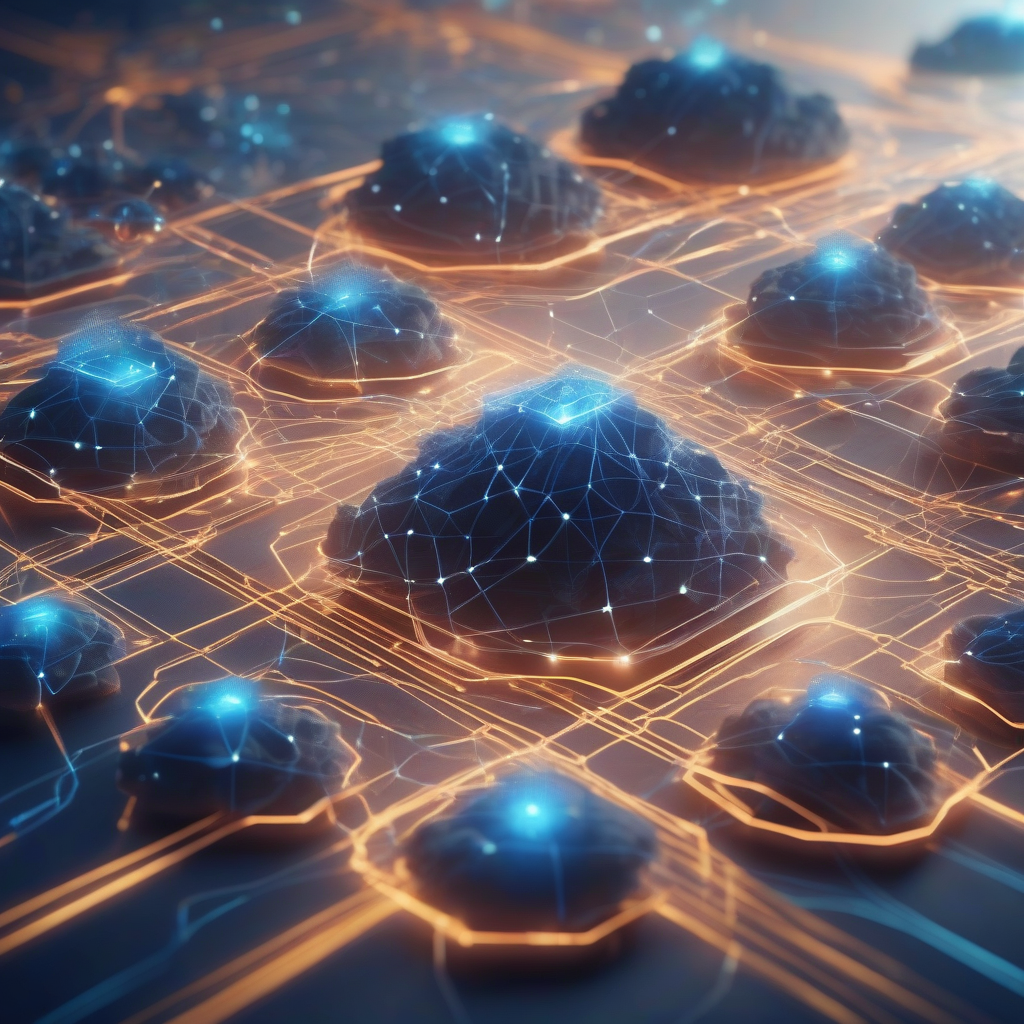
In the rapidly evolving landscape of modern technology, the bottleneck of cloud-centric architecture is becoming increasingly apparent. As the volume of data generated by IoT devices explodes, the necessity for Edge Computing has never been more critical. By moving computation closer to the data source, we are witnessing a paradigm shift in how AI models are deployed.
Why Edge Computing Matters
Traditional cloud computing requires data to be sent to a central server, processed, and then returned. This round-trip creates significant latency—a non-starter for autonomous vehicles, medical robotics, and industrial IoT. Edge AI solves this by enabling:
- Reduced Latency: Real-time decision-making capabilities without cloud dependency.
- Bandwidth Optimization: Only relevant, processed insights are transmitted to the cloud, saving significant network resources.
- Enhanced Privacy: Sensitive data remains on-device, minimizing exposure to potential breaches during transit.
The Future Outlook
As hardware accelerators like NPUs become standard in edge devices, we can expect AI models to run with unprecedented efficiency. This is not just a trend; it is the infrastructure foundation for the next decade of intelligent automation. Organizations that embrace local inference will gain a competitive edge in scalability and performance.