Neuromorphic Computing: The Next Frontier in AI-Driven Processor Architectures
Explore how neuromorphic computing is overcoming Von Neumann bottlenecks to redefine energy efficiency and machine learning performance for future technology.
The Paradigm Shift in Computing
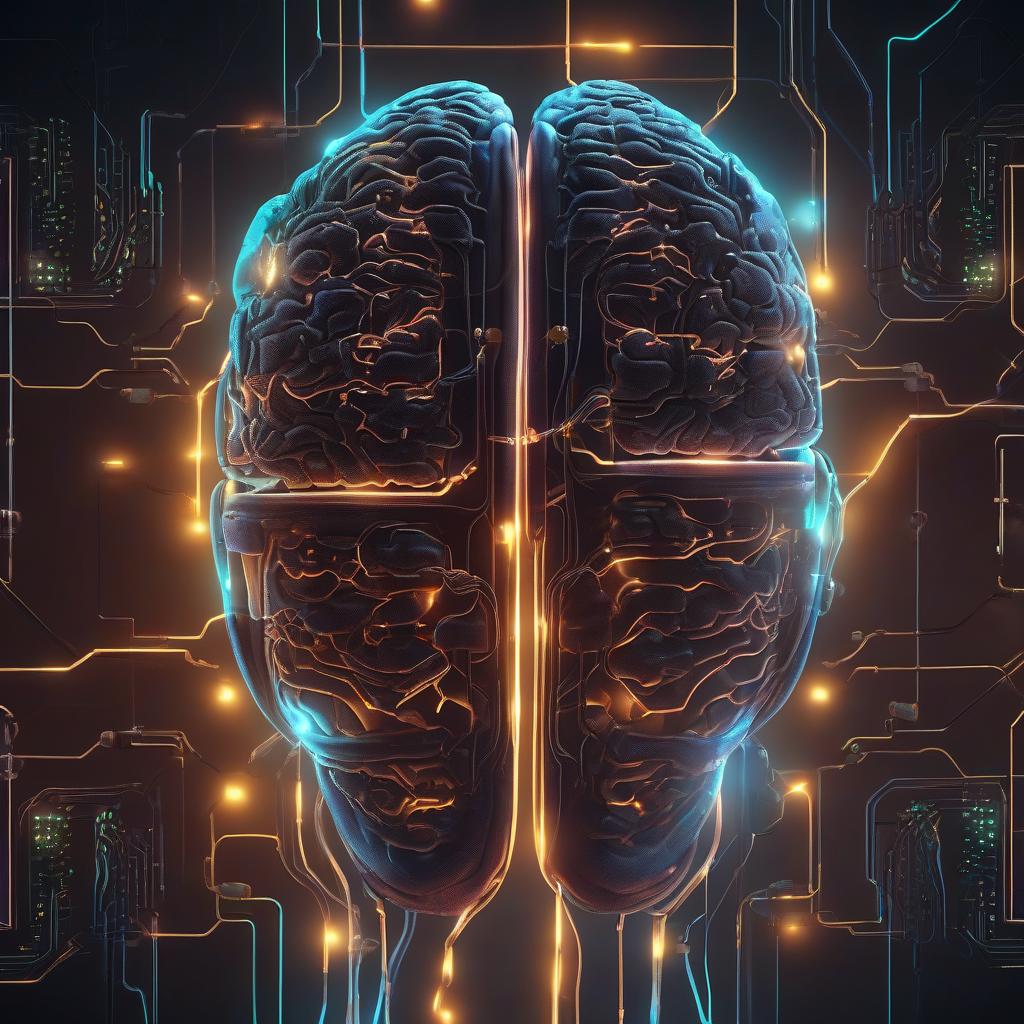
For decades, the Von Neumann architecture has been the cornerstone of modern computing. However, as AI demands skyrocket, the separation of memory and processing units has become a significant bottleneck. Neuromorphic computing emerges as the radical alternative, designed to mimic the neural structure of the human brain.
Why Neuromorphic Systems Matter
Unlike traditional processors, neuromorphic chips—such as Intel’s Loihi or IBM’s TrueNorth—integrate memory and processing directly into 'artificial neurons.' This architecture allows for:
- Extreme Energy Efficiency: By only processing information when spikes occur, these systems consume a fraction of the power of standard GPUs.
- Real-time Learning: Neuromorphic systems excel at edge computing, enabling devices to learn and adapt in real-time without cloud connectivity.
- Massive Parallelism: Mimicking biological synaptic connections allows for handling non-linear, complex data patterns at lightning speeds.
Future Implications
As we push toward AGI (Artificial General Intelligence), the physical constraints of silicon chips are becoming more apparent. Neuromorphic architectures offer a sustainable path forward. By moving away from rigid clock-speed logic toward event-driven asynchronous processing, the industry is paving the way for low-latency, autonomous robotics and advanced sensory processing units that function with the fluidity of the human cortex.