Spatial Computing and the Evolution of Industrial Design
Spatial computing is bridging the gap between digital data and physical reality. Learn how it is reshaping the future of industrial design and manufacturing.
Bridging Realities
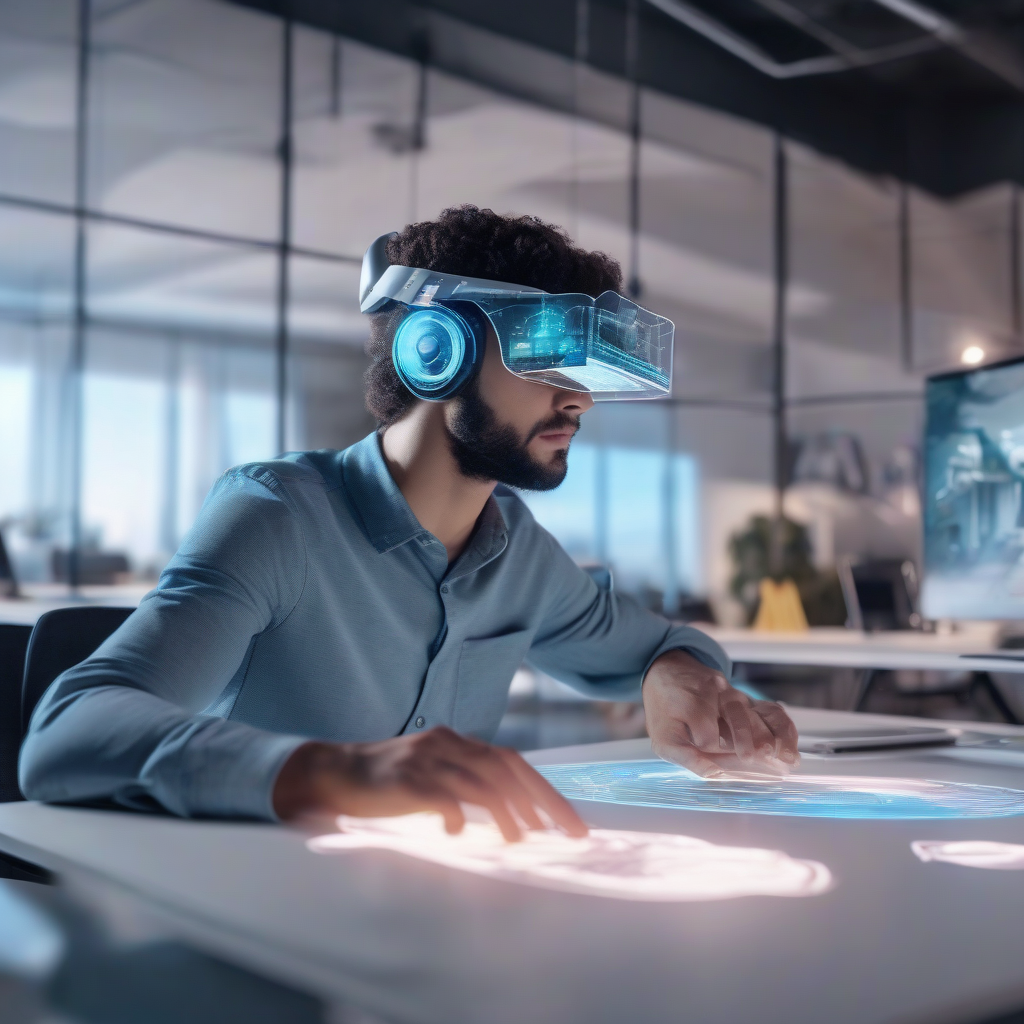
Spatial computing is fundamentally changing the way humans interact with digital information. By blending augmented reality (AR), virtual reality (VR), and advanced sensor data, it creates a seamless interface where digital objects exist in physical space, governed by the laws of physics and human ergonomics.
Transforming Industrial Workflows
The impact of spatial computing on industrial design is profound. Engineers no longer need to rely solely on 2D screens to visualize complex assemblies. Instead, they can walk through a digital twin of a facility or interact with a 3D model of a prototype as if it were sitting on their desk.
Key Advantages in Manufacturing
- Rapid Prototyping: Iterating on physical models takes weeks; iterating in a spatial environment takes minutes.
- Remote Collaboration: Designers from around the world can manipulate the same digital object in a shared virtual workspace.
- Safety and Training: Workers can practice dangerous assembly tasks in a simulated environment before touching a single piece of hardware.
Integration with AI is the next frontier. Imagine a spatial computing environment that not only displays a 3D model but also runs real-time simulations to predict material stress or structural failures based on the design changes made in real-time.
The Future of Work
We are entering an era where the divide between 'software' and 'product' is blurring. As spatial computing matures, the tools used to design a car, a building, or a microchip will become increasingly immersive. Companies that fail to adopt these spatial frameworks risk falling behind in a world where speed, precision, and collaborative innovation are the primary drivers of competitive advantage.